










Georgia Pie Strain: Genetics, Terpenes, Aroma and Cultivation

Georgia Pie Strain: A Slice of Heaven or Just Hype?
If you look at modern cannabis strains, you have probably seen the name "Georgia Pie." The name refers to a sweet peach dessert, and the strain is mainly known for its aroma. In this article, we look at the Georgia Pie strain based on data, lab reports and published strain descriptions. Many forum discussions praise its flavour, which is one reason why the strain has become well known. This article is for anyone who wants factual information on the Georgia Pie strain. We look at its genetics, its cannabinoid and terpene profile, its appearance, its aroma and flavour, and at how it is grown. We also explain why user reports about effects are not evidence and why no health claims can be made.
Extra-Strong
Canapuff 9H-THC Vape AK47 95% 1ml disposable pen9H-THC Vape AK47 95% 1ml – disposable vape pen, photo 2
9H-THC Vape AK47 95% 1ml

Sale price€34,90
Extra-Strong
Canapuff 9H-THC Vape Blue Dream 95% 1ml disposable pen9H-THC Vape Blue Dream 95% 1ml – disposable vape pen, photo 2
9H-THC Vape Blue Dream 95% 1ml

Sale price€34,90

Introduction: More Than Just a Sweet Name

There are many strains with unusual names, but Georgia Pie has become especially well known. It was bred by Seed Junky Genetics and has quickly gained a reputation, mainly because of its aroma. In the following sections, we look at its parent strains and at the terpenes that define its scent.

Unpacking the Pie: The Genetic Heritage of Georgia Pie

Every great strain has a story, and Georgia Pie's begins with its illustrious parentage, a testament to the breeding prowess of Seed Junky Genetics. This breeder, helmed by Anthony Hart (Jbeezy), is renowned for creating exceptional cultivars like Ice Cream Cake and Wedding Cake, so it's no surprise Georgia Pie comes from such a distinguished lineage. It's a strategic cross between two highly regarded parent strains: Gellati and Kush Mints.

Gellati: The Sweet & Balanced Foundation

Gellati is a hybrid of Gelato #45 and Biscotti. It provides the sweet and fruity foundation of Georgia Pie. As noted by sources like The Green Mates , Gellati contributes a rich terpene profile, which is important for the character of Georgia Pie. Through this lineage, Georgia Pie belongs to the Gelato family, which is known for complex flavours.

Kush Mints: The Potent & Minty Contributor

The second parent is Kush Mints, a strain bred from Bubba Kush and Animal Mints. Kush Mints brings minty and earthy notes and contributes to the high THC content of Georgia Pie. The combination of both parents gives the strain its typical mix of sweet, fruity and minty aromas. Most sources, including AllBud and ILGM , describe Georgia Pie as a slightly indica-dominant hybrid, typically around a 60% indica to 40% sativa ratio, though some phenotypes might present as a more balanced 50/50 hybrid. This slight variation can depend on specific genetic expressions and growing conditions. For those interested in genetic stability, some breeders have even developed S1 (selfed) versions of Georgia Pie, aiming to preserve and potentially intensify its core characteristics, as mentioned by Raw Genetics.

What's in a Slice? Potency and Chemical Profile

The chemical composition of Georgia Pie explains much of its reputation: it contains a lot of THC and a complex mix of terpenes.

THC Dominance: A Potent Experience

Georgia Pie contains a lot of THC. Laboratory analyses show THC concentrations from about 20% to 27%, as reported by multiple sources including Leafly, Hytiva and Sativa University . Because of this THC content, Georgia Pie is strongly psychoactive. THC products are controlled in many countries, so check the local rules.

CBD Content: Playing a Supporting Role

Compared to its THC content, the CBD content of Georgia Pie is low, usually between 1% and 3%. This means that the cannabinoid profile is dominated by THC.

The Terpene Symphony: More Than Just Flavor

The terpene profile of Georgia Pie defines its typical aroma and flavour. Terpenes are aromatic compounds that are found in many plants. Limonene: This is the dominant terpene. As highlighted by Live Ozone and other analyses, Limonene gives Georgia Pie its typical citrus notes. Limonene is also found in the peel of citrus fruits. Some lab reports indicate Limonene concentrations of up to 5.9 mg/g.Caryophyllene (Beta-Caryophyllene): This terpene adds spicy, peppery notes. In laboratory studies, it is notable because it can bind to CB2 receptors. Hytiva notes its presence at around 4.3 mg/g in some samples. Humulene: This terpene adds earthy, woody and hoppy notes to the profile. Myrcene and Linalool: These terpenes are present in smaller amounts. Myrcene has herbal and musky notes, and Linalool has floral, lavender-like notes. Together they add more layers to the aroma. This mix of terpenes is the reason why Georgia Pie is known mainly for its smell and taste. Table 1: Georgia Pie Terpene Profile Snapshot Terpene Typical Concentration Aroma/Flavor Notes Notes Limonene Highest (e.g., ~5.9 mg/g) Citrus, sweet, fruity, peach Dominant terpene in Georgia Pie Caryophyllene Moderate (e.g., ~4.3 mg/g) Spicy, peppery, woody, clove Can bind to CB2 receptors in laboratory studies Humulene Lower (e.g., ~1.2 mg/g) Earthy, hoppy, woody Gives hoppy and woody notes Myrcene Variable Herbal, musky, earthy, mango Common in many cannabis strains Linalool Variable Floral, lavender, spicy Gives floral, lavender-like notes Concentrations can vary based on phenotype and cultivation practices.

A Feast for the Eyes: Appearance and Bud Structure

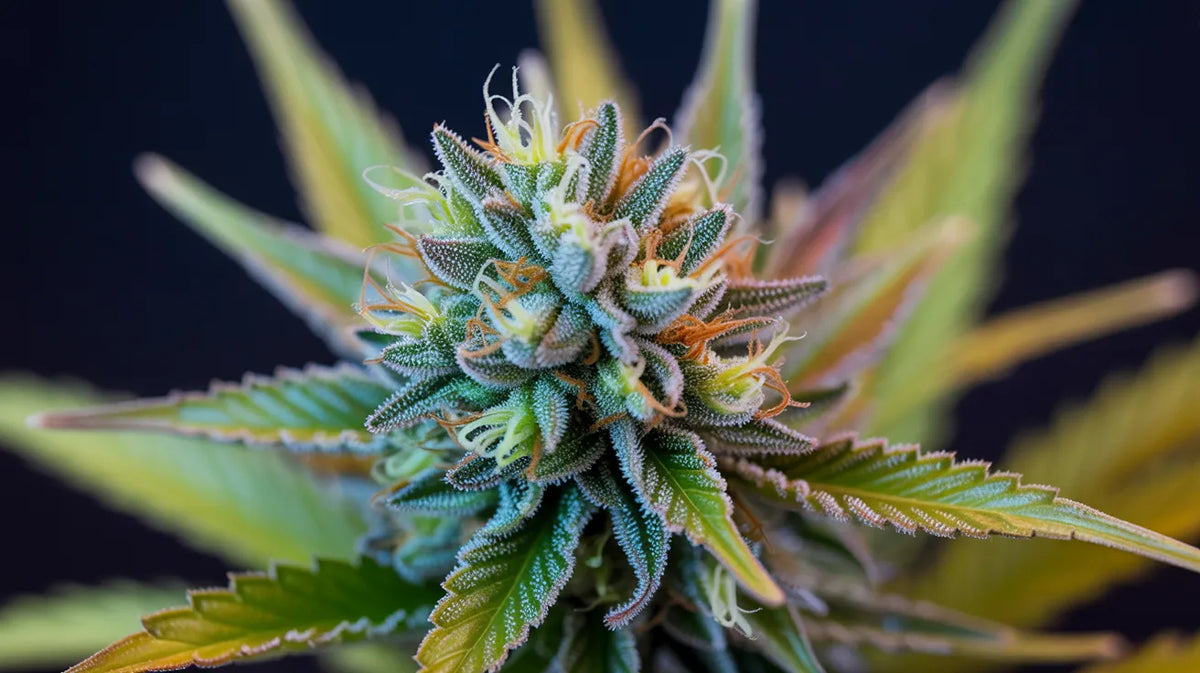
Georgia Pie is as visually appealing as it is aromatic. The buds typically exhibit a compact, densely-packed structure, often forming coiled shapes that are a hallmark of quality cannabis. Roots Cannabis Nursery and other descriptions emphasize the striking visual characteristics. The base coloration is often a vibrant lime-green or mossy green, but what truly sets it apart are the potential accents of purple and lavender undertones that can weave through the flowers, adding depth and complexity to its appearance (No Kids Allowed Club -. These cooler hues contrast beautifully with the fiery orange pistils that are generously distributed throughout the bud structure. Georgia Pie is known for its dense trichome coverage. Trichomes are tiny, resin-producing glands. On Georgia Pie, they create a thick, almost amber-tinted layer over the buds. A dense trichome layer usually indicates a high resin content. The buds feel dense and sticky, even after proper drying and curing, which shows good resin production and careful handling.

The Proof is in the Puff: Aroma and Flavor Profile

The aroma and flavour are the main reasons for the reputation of Georgia Pie. Most descriptions concentrate on this sensory profile.

The Famous Peach Cobbler Aroma

Open a jar of Georgia Pie, and you're immediately greeted by a sweet, dessert-like aroma that uncannily resembles fresh peach cobbler. This isn't an exaggeration; sources like Leafly and Hytiva) consistently highlight this signature scent. The initial wave is often a delightful mix of sweet citrus and ripe peaches, with hints of pine adding a fresh counterpoint. Upon a closer whiff, more complex notes emerge - nutty, yeasty undertones reminiscent of pie crust or even peach pits, adding a comforting depth to the bouquet.

Tasting Georgia Pie: A Flavor Journey

The flavour is similar to the aroma. Users describe a sweet and fruity taste, with notes of peach and apricot. There are also subtle hints of vanilla and other stone fruits. Many descriptions call the smoke smooth. Smoking any product can irritate the lungs, so this is a description of taste, not a statement about risk.

The Exhale and Aftertaste

The complexity doesn't end on the inhale. The exhale can reveal further nuances, with some users detecting hints of sage, more pine, and even subtle skunky or earthy notes that ground the sweetness and prevent it from becoming cloying . This multi-layered tasting experience, driven by its rich terpene profile (especially Limonene and Caryophyllene), evolves throughout the session, making each puff an exploration.

Georgia Pie Strain: User Reports vs. Evidence

Online, many users describe how they experienced Georgia Pie. These reports are personal and cannot replace scientific studies. There are no studies on the Georgia Pie strain itself. Research is limited; no health claims can be made about this strain or any other cannabis strain.

Why User Reports About Georgia Pie Are Not Evidence

Platforms like Leafly collect user reports about strains. These reports are not controlled, and they cannot show what a strain does. People react very differently to THC, and expectations can influence what people report.

Georgia Pie and THC Risks

Because Georgia Pie contains 20% to 27% THC, it is strongly psychoactive. THC can impair concentration, memory and reaction time. Never drive or operate machinery after using THC products.

Georgia Pie and Psychological Reactions

Products with a high THC content can cause nervousness or paranoia in some people, especially in inexperienced users or with large amounts. People with a history of psychological problems should not use THC products.

Georgia Pie and Drowsiness

Some strain databases, such as Live Ozone and AllBud, describe Georgia Pie as indica-dominant. THC can cause drowsiness, which is one more reason not to drive after use.

Georgia Pie and Hunger

Like many strains with a lot of THC, Georgia Pie is often linked to increased hunger in user reports. Individual reactions vary a lot. Research is limited; no health claims can be made. If you have questions about your health, consult a doctor. Table 2: Georgia Pie - Profile Overview Feature Value Source THC content About 20% to 27% Lab analyses (Leafly, Hytiva, Sativa University) CBD content About 1% to 3% Lab analyses Dominant terpene Limonene Lab analyses (Live Ozone) Aroma Peach, apricot, vanilla, citrus Strain descriptions Flowering time 8 to 10 weeks Seed and strain databases Genetics Gellati x Kush Mints Breeder information

Growing Your Own Slice: Cultivation Insights for Georgia Pie

For those with a green thumb, cultivating Georgia Pie can be a rewarding endeavor. It demonstrates good adaptability, making it accessible to both novice and experienced growers, though attention to detail will always yield better results. Information from cultivation guides like Vivosun and Hey Abbyprovides valuable insights.

Indoor Cultivation Tips

Georgia Pie thrives in controlled indoor environments where factors like temperature, humidity, and lighting can be precisely managed. Temperature & Humidity: Ideal daytime temperatures range from 70-80°F (21-27°C), with slightly cooler nighttime temperatures. Humidity should be maintained between 40-60% during vegetative growth, dropping to 40-50% during flowering to prevent mold and mildew. Lighting: Standard photoperiod lighting (e.g., 18/6 during veg, 12/12 to trigger flowering) is required. Yields: Indoor growers can expect yields of around 400-500 grams per square meter (approximately 1.3-1.6 ounces per square foot) under optimal conditions (Seedfinder - Zamnesia ) Plant Height: Indoor plants can reach heights of up to 130 centimeters (around 4.3 feet).

Outdoor Cultivation Tips

Outdoor cultivation can also be very successful, especially in regions with warm, dry, Mediterranean-like climates. Climate & Environment: The strain appreciates ample direct sunlight and well-draining soil. Protection from strong winds and heavy rain is beneficial. Yields: Outdoor plants have the potential for substantially higher yields, with individual plants capable of producing 500-600 grams (around 1.1-1.3 pounds) or even up to 18 ounces per plant if given adequate space and nutrients. Plant Height: Outdoors, Georgia Pie plants can become quite tall, reaching up to 200 centimeters (around 6.5 feet), producing impressive colas.

Flowering Time & Harvest

Georgia Pie generally has a flowering time of 8-10 weeks. Some sources, like Seedfinder - Raw Genetics, indicate slightly shorter flowering times of 56-65 days, which can be due to specific phenotypes or environmental factors. For outdoor growers, harvest typically occurs in early to mid-October in the Northern Hemisphere.

Training Techniques & Support

This strain responds well to various training techniques. Topping, LST (bending and tying down branches) and strategic defoliation can increase bud production and improve light penetration throughout the canopy. As the dense, resinous buds develop during late flowering, they can become quite heavy. Support structures like stakes or trellises are often needed to prevent branches from breaking under the weight. Growers who use these techniques often get more robust and evenly developed plants. Cultivation of cannabis is not permitted in many countries, so check the local rules first.

My Personal Slice: Reflections and Overall Impression

Based on the data and descriptions of Georgia Pie, the strain stands out mainly because of its aroma and its genetics. The breeders at Seed Junky Genetics combined the characteristics of Gellati and Kush Mints. The most consistent point in the reports is the peach cobbler aroma and flavour. This sensory profile is unusual and is the main reason why the strain is so well known. Statements about effects are personal reports and vary a lot between users. In summary, the main facts about this strain are: THC: High THC content of about 20% to 27%; strongly psychoactive. Terpenes: Limonene is dominant, followed by Caryophyllene and Humulene. Aroma: Peach, apricot, vanilla and citrus notes. Regulation: THC products are controlled in many countries; check the local rules. Georgia Pie is a hybrid strain that is mainly known for its genetics and its aroma.

Conclusion: Is Georgia Pie Worth a Spot in Your Stash?

Georgia Pie is an example of modern cannabis breeding with a very distinctive sensory profile. Its lineage is well documented, its chemical profile shows a high THC content and a complex terpene mix, and many user reports describe its aroma. The trichome-covered buds, the peach cobbler aroma and the flavour are the main characteristics of Georgia Pie. From a cultivation point of view, it is described as adaptable, with good yields. Georgia Pie is strongly psychoactive because of its high THC content. Respect your local cannabis rules, because THC products are controlled in many countries. Never drive after use, and keep all cannabis products away from children. Research is limited; no health claims can be made. Have you seen Georgia Pie in a lab report or strain database? Share your observations in the comments below.
Canapuff Happy Gummy Delta-9 Cherri, 1 piece hemp-derived gummy

Delta 9 Gummy Cherri

Ideal for beginners

Try it now