




Table of contents
- What Is THC? The Psychoactive Cannabinoid ›
- What Is CBG? The Non-Intoxicating Mother Cannabinoid ›
- CBG vs THC: Key Differences and Distinctions ›
- Does CBG Counteract THC? Understanding the Interaction ›
- CBG and THC Together: What Research Has Looked At ›
- How CBG and THC Work Together Physiologically ›
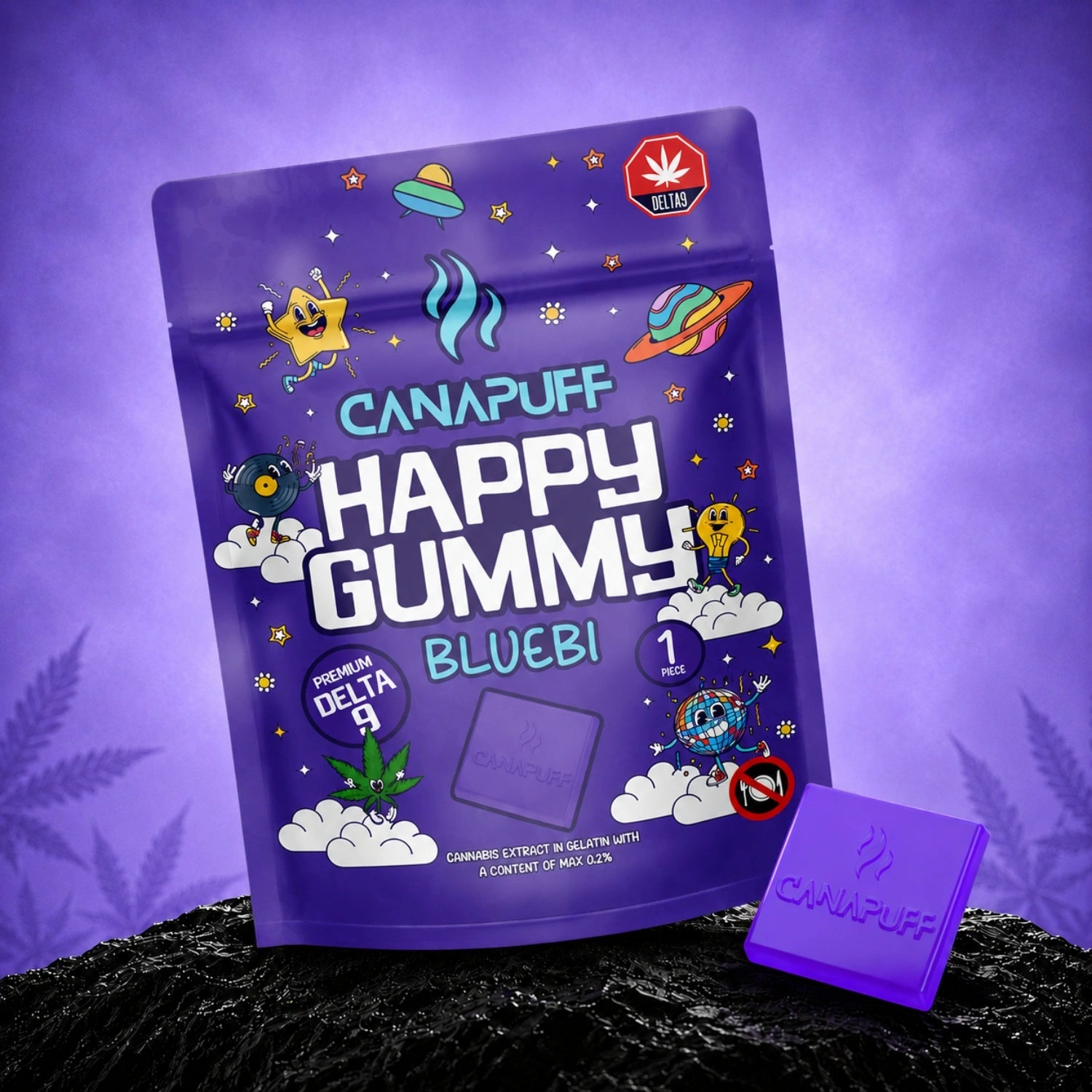
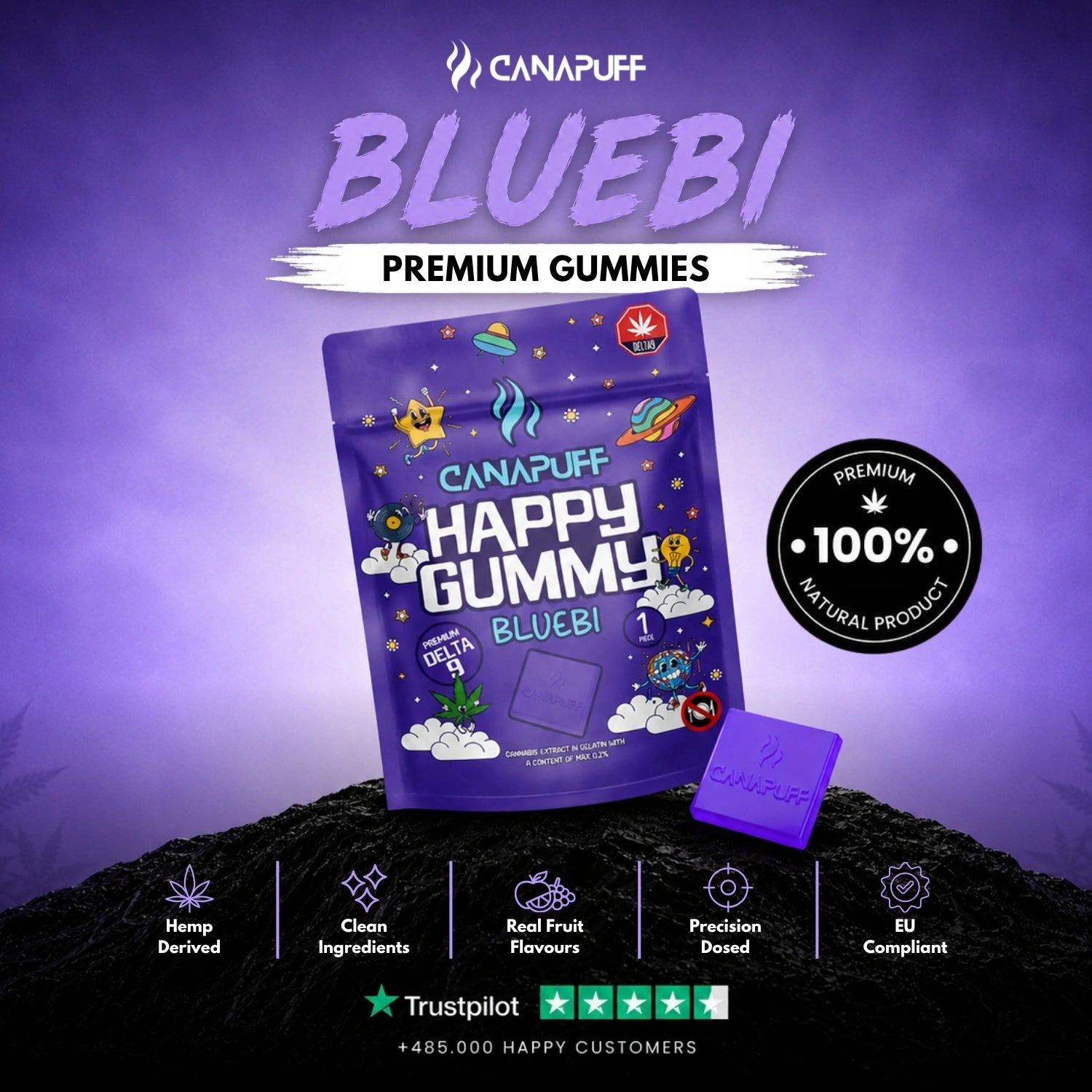
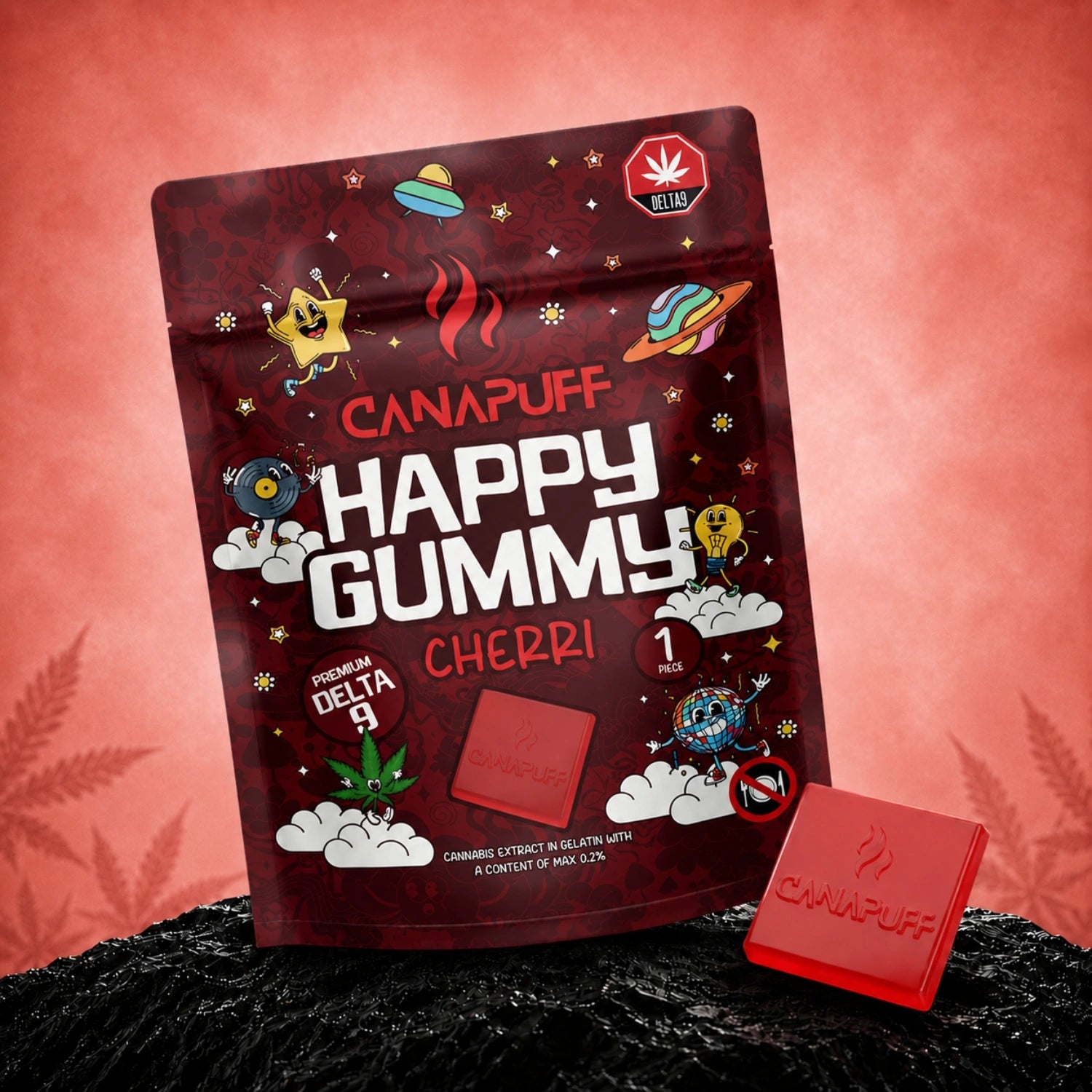
- CBG and THC Gummies: Practical Applications ›
- The Entourage Theory in CBG-THC Combinations ›
- CBG and THC Together: Practical Information ›
- Frequently Asked Questions ›
THC and CBG together form a cannabinoid combination that appears in some cannabis products. CBG is often called the "mother cannabinoid", because other cannabinoids are formed from its acid form. When we compare CBG vs THC, the key difference is that CBG is not considered intoxicating, while THC is psychoactive. This article explains how THC and CBG differ, what research says about combining them and what you should check on product labels.
The relationship between these compounds has created research interest. However, most of the evidence about CBG and THC together comes from laboratory studies, animal studies and user reports. Research is limited; no health claims can be made about this combination.
What Is THC? The Psychoactive Cannabinoid
THC (delta-9-tetrahydrocannabinol) is the main psychoactive compound in cannabis. It binds directly to CB1 receptors in the brain. This changes perception, time sense and sensory processing.
THC's Main Characteristics
- Psychoactivity: THC changes perception and can impair concentration and reaction time
- Research: THC is one of the most studied cannabinoids; specific THC preparations are approved as pharmaceuticals in some countries
- Hunger: Many users report increased hunger
- Drowsiness: THC can cause drowsiness, especially at higher amounts
- Regulation: THC is a controlled substance in many countries
THC also has known risks. Users sometimes experience nervousness, paranoia, memory impairment or an increased heart rate. Never drive or operate machinery after using THC.
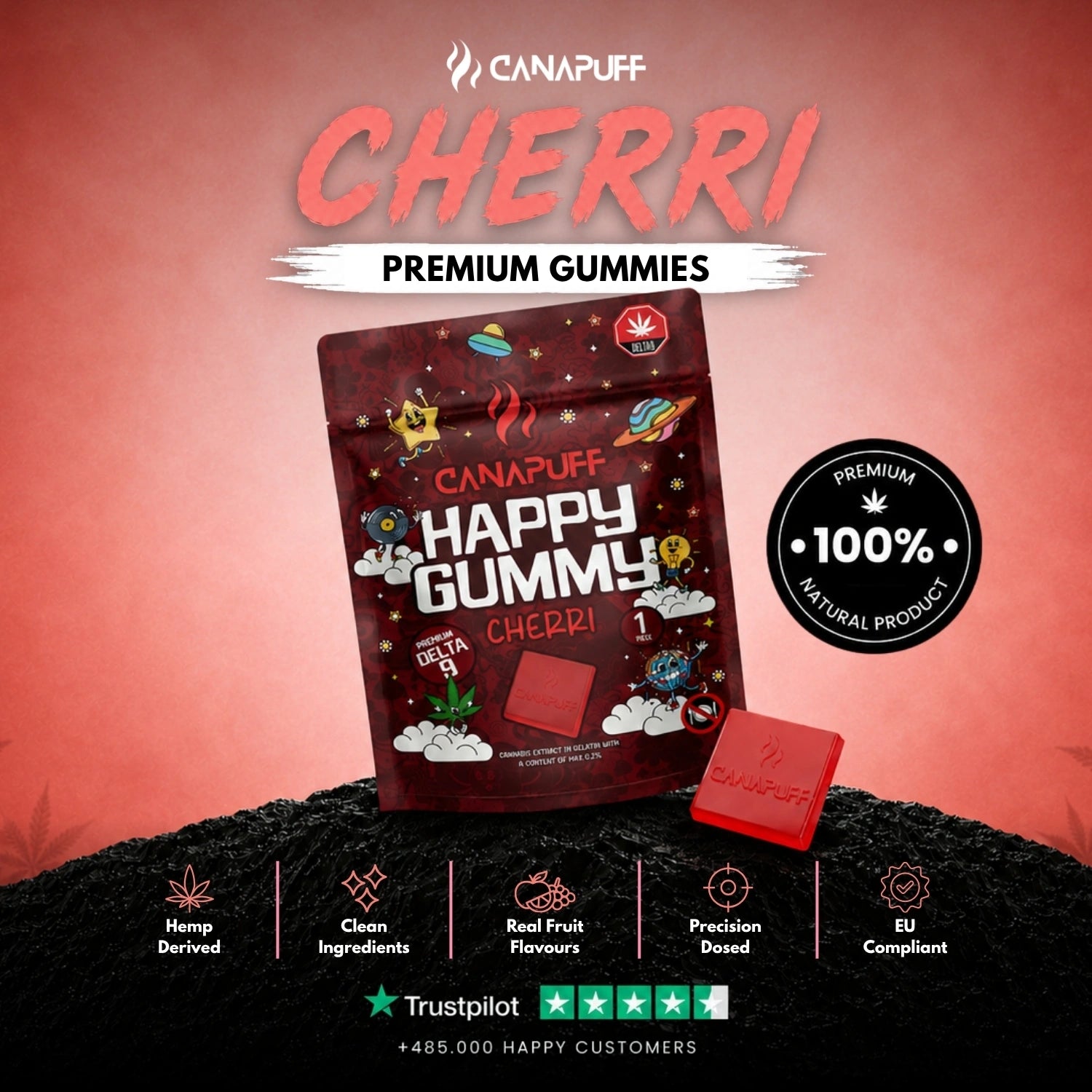
For those interested in THC products, Canapuff's THC gummies collection provides various potencies and formulations.
What Is CBG? The Non-Intoxicating Mother Cannabinoid
CBG (cannabigerol) is a minor cannabinoid in most cannabis plants, typically less than 1% of the total cannabinoid content. It is called the "mother cannabinoid" because CBGA (cannabigerolic acid) is the precursor from which THC, CBD and other cannabinoids are formed. Unlike THC, CBG is not considered intoxicating.
How CBG Interacts with Receptors
CBG does not bind strongly to CB1 receptors in the brain, which is why it is not considered psychoactive. Instead, it interacts with CB1 and CB2 receptors in a weaker way and with other receptor systems, including TRPV1 (vanilloid receptors) and 5-HT1A (serotonin receptors). This receptor profile is different from THC.
CBG's Main Characteristics
- Not intoxicating: CBG does not change perception like THC
- Early research: Most studies on CBG were done in the laboratory or in animals
- Few human studies: There are very few studies on CBG in people
- Laboratory findings: Some laboratory studies have tested CBG against bacteria
- No health claims: Research is limited; no health claims can be made for CBG products
- Rare in plants: Because CBG is rare, special strains or extraction methods are needed
Research on CBG is at an early stage. Results from laboratory and animal studies cannot be transferred to people.
CBG vs THC: Key Differences and Distinctions
The fundamental difference when comparing CBG vs THC is psychoactivity. However, the two cannabinoids also differ in other ways:
| Characteristic | THC | CBG |
|---|---|---|
| Psychoactive | Yes (strong) | No |
| CB1 receptor binding | Direct, strong | Indirect, weak |
| Main characteristic | Changes perception | Not intoxicating |
| Typical products | Gummies, flowers, vapes | Oils, flowers |
| Impairment | Yes | No |
| Amount of research | Large | Small |
| Main receptors | CB1 and CB2 | CB2, TRPV1, 5-HT1A |
| FDA approval | None | None |
| Regulation | Controlled substance | Rules vary by country |
| Hunger | Often increased | Little data |
| Human studies | Many | Very few |
An important practical point: does CBG contain THC? Pure CBG isolate contains no THC. However, full-spectrum cannabis products naturally contain both cannabinoids together.

Does CBG Counteract THC? Understanding the Interaction
The question of whether CBG counteracts THC has a complex answer. Researchers have proposed some theories, but the evidence is limited:
The Receptor Competition Theory
When CBG and THC are present together, CBG may compete with THC at CB1 receptors. CBG binds weakly to these receptors, while THC binds strongly. Some researchers think that CBG could reduce the responsiveness of CB1 receptors. This is a theory and has not been confirmed in people.
The Anandamide Enhancement Theory
Another theory suggests that CBG may increase the level of anandamide, a cannabinoid that the body produces itself. This could influence CB1 signalling. Again, this is a theory based on laboratory data.
Empirical Evidence from Research
A 2021 study looked at combinations of CBD, CBG and THC in a 1:1:1 ratio in a laboratory setting. Studies like this are early research, and the results cannot be transferred to products sold in shops.
There are no reliable studies that show whether CBG changes how THC acts in people. Research is limited; no health claims can be made.
CBG and THC Together: What Research Has Looked At
Laboratory Research on CBG and THC Combinations
Research on THC and CBG together is mostly done in laboratories. These studies look at:
- How individual cannabinoids (THC, CBD, CBG) bind to receptors
- Whether combinations of cannabinoids behave differently from single compounds
- How CBG and THC differ in their receptor profiles
- Which questions need to be tested in human studies
User reports about CBG and THC gummies are not scientific evidence and cannot show whether a combination works in a specific way.
CBG, THC and Psychoactivity
When people ask what CBG does with THC, many user reports describe a different experience. These reports are subjective, and the following points are open questions:
- Nervousness: It is not known whether CBG reduces nervousness or paranoia caused by THC
- Clarity: It is not known whether CBG changes the cognitive impairment caused by THC
- Drowsiness: It is not known whether CBG changes the drowsiness caused by THC
- Duration: Some user reports suggest that the combination lasts slightly longer, but there is no reliable data
Some users report that CBG makes THC feel stronger, while others report that it makes THC feel weaker. This variation depends on the person, the ratio and tolerance. THC remains psychoactive in any combination.
Open Research Questions About CBG and THC
Researchers still need to answer these questions about CBG and THC together:
- Does the combination change the amount of THC that people use?
- Does CBG change the side effects of THC?
- How does the combination behave over long periods of use?
- Does CBG change the psychoactivity of THC at all?
Until these questions are answered by human studies, no health claims can be made about CBG and THC together.
CBG and THC: Drowsiness and Rest
THC can cause drowsiness. It is not known whether CBG changes this. Some users report that they rest differently with the combination, but these are personal reports, not research results. Research is limited; no health claims can be made.
How CBG and THC Work Together Physiologically
Receptor Binding and Endocannabinoid System Interaction
THC and CBG activate different pathways within the endocannabinoid system:
- THC: Binds directly to CB1 receptors (mainly in the brain) and CB2 receptors (mainly in other tissues), which makes it psychoactive
- CBG: Activates CB2 receptors and other receptor systems (TRPV1, 5-HT1A) while antagonizing CB1 receptors
When combined, both cannabinoids are present at the same time, but they act on receptors in different ways. Some researchers call the possible interaction of several cannabinoids the "entourage effect". This theory is debated, and the evidence is not conclusive.
The Ratio Factor
The ratio of CBG to THC shows how much of each cannabinoid a product contains:
- High CBG:THC ratio: (e.g., 3:1): More CBG than THC; the product still contains THC and is psychoactive
- Balanced ratio: (e.g., 1:1): Equal amounts of CBG and THC
- High THC:CBG ratio: (e.g., 3:1): More THC than CBG; strongly psychoactive
The ratio is shown on the label. Any product with THC is psychoactive, regardless of the amount of CBG.

CBG and THC Gummies: Practical Applications
CBG and THC gummies are one product format for this combination. Gummies have some practical properties:
Labelled Content
Gummies contain a defined amount of each cannabinoid per piece, for example 10mg THC and 10mg CBG. The label and the lab report show the exact amounts. With edibles, the onset is slow, which can lead people to take too much. This is one of the main risks of THC edibles.
Ratio Flexibility
Different gummy products contain different ratios, for example:
- THC-dominant: 20mg THC / 5mg CBG
- Balanced: 10mg THC / 10mg CBG
- CBG-dominant: 5mg THC / 20mg CBG (still contains THC)
Consistency and Reliability
Gummies from a controlled production process have a consistent cannabinoid content per piece. In flowers, the cannabinoid content can vary between buds. A lab report shows the measured content.
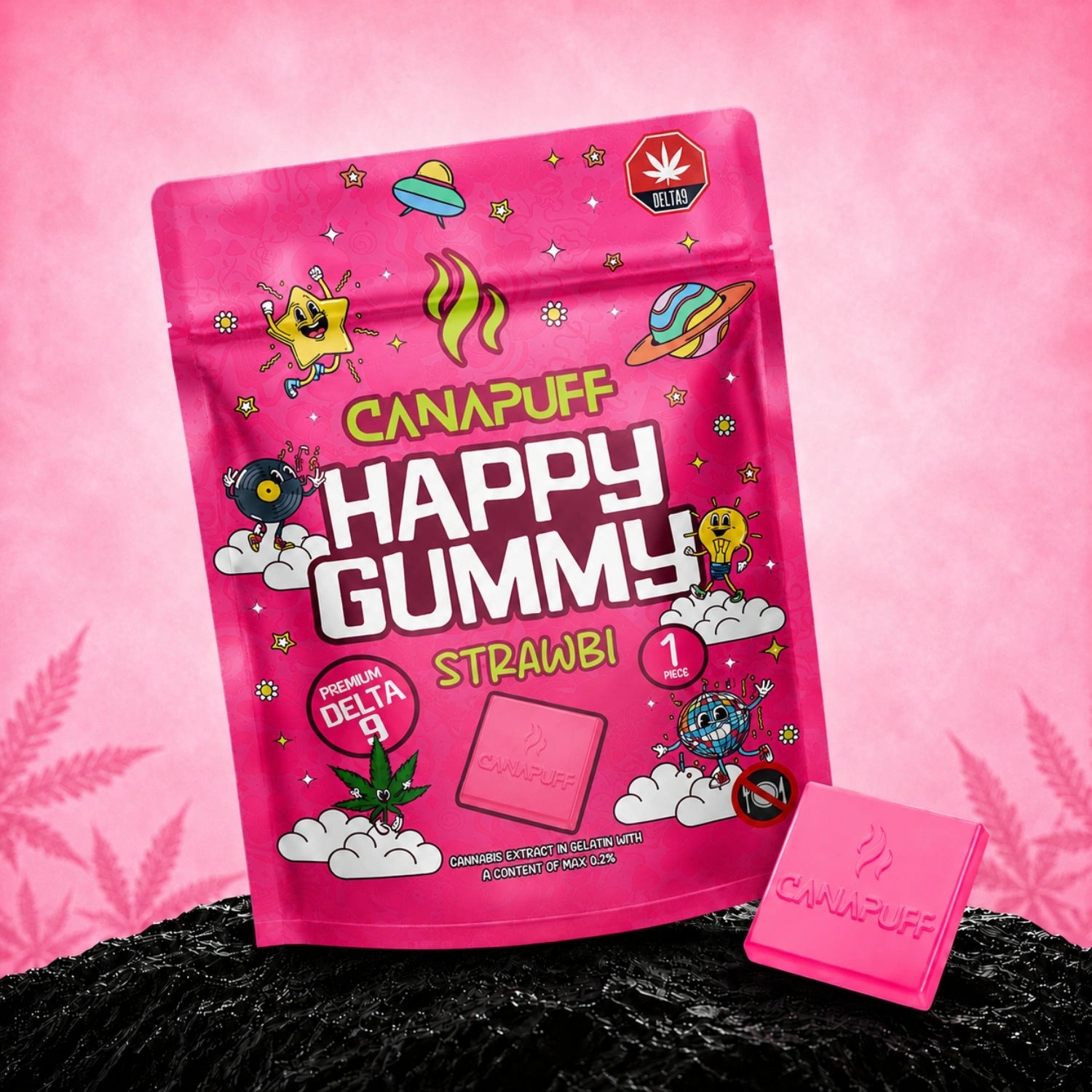
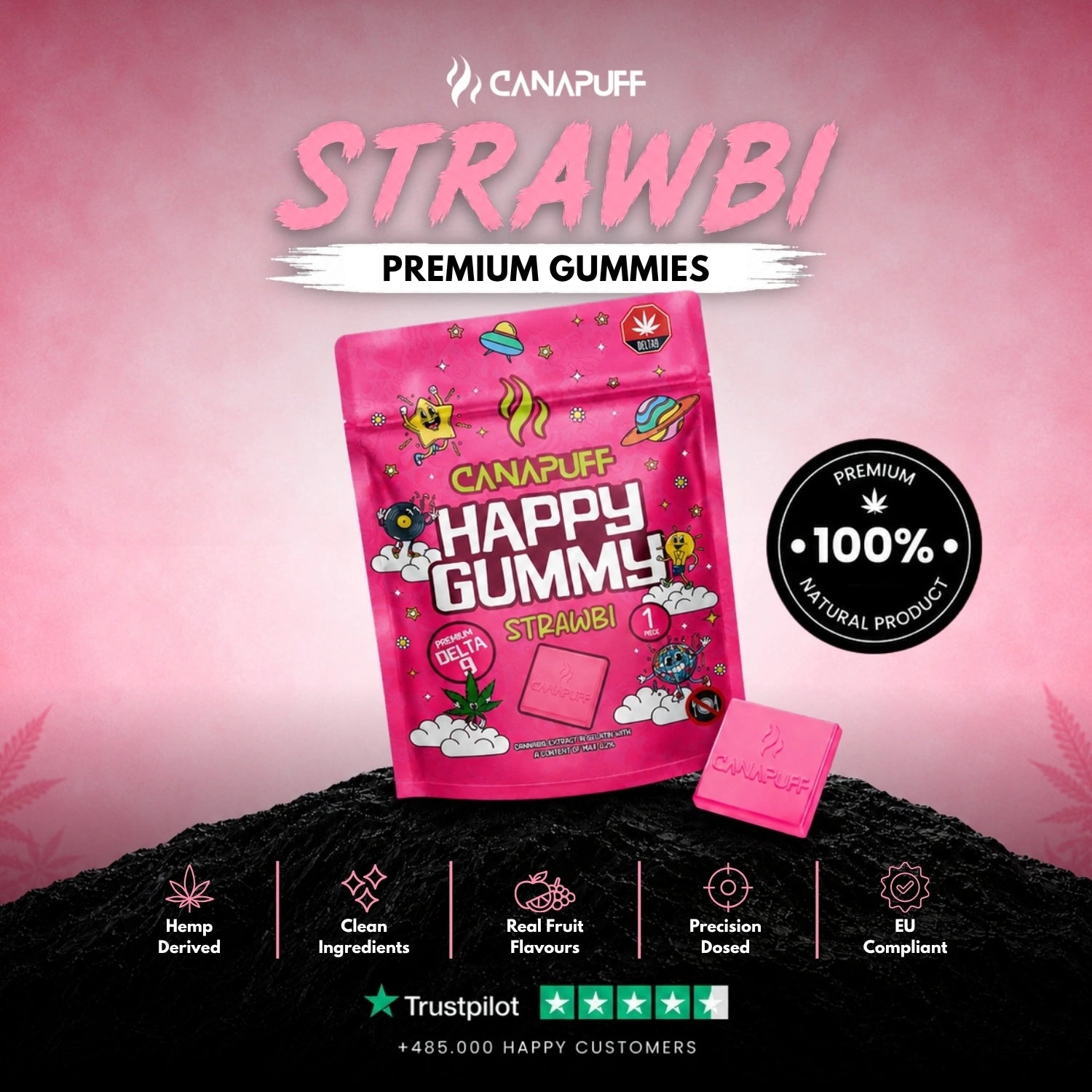
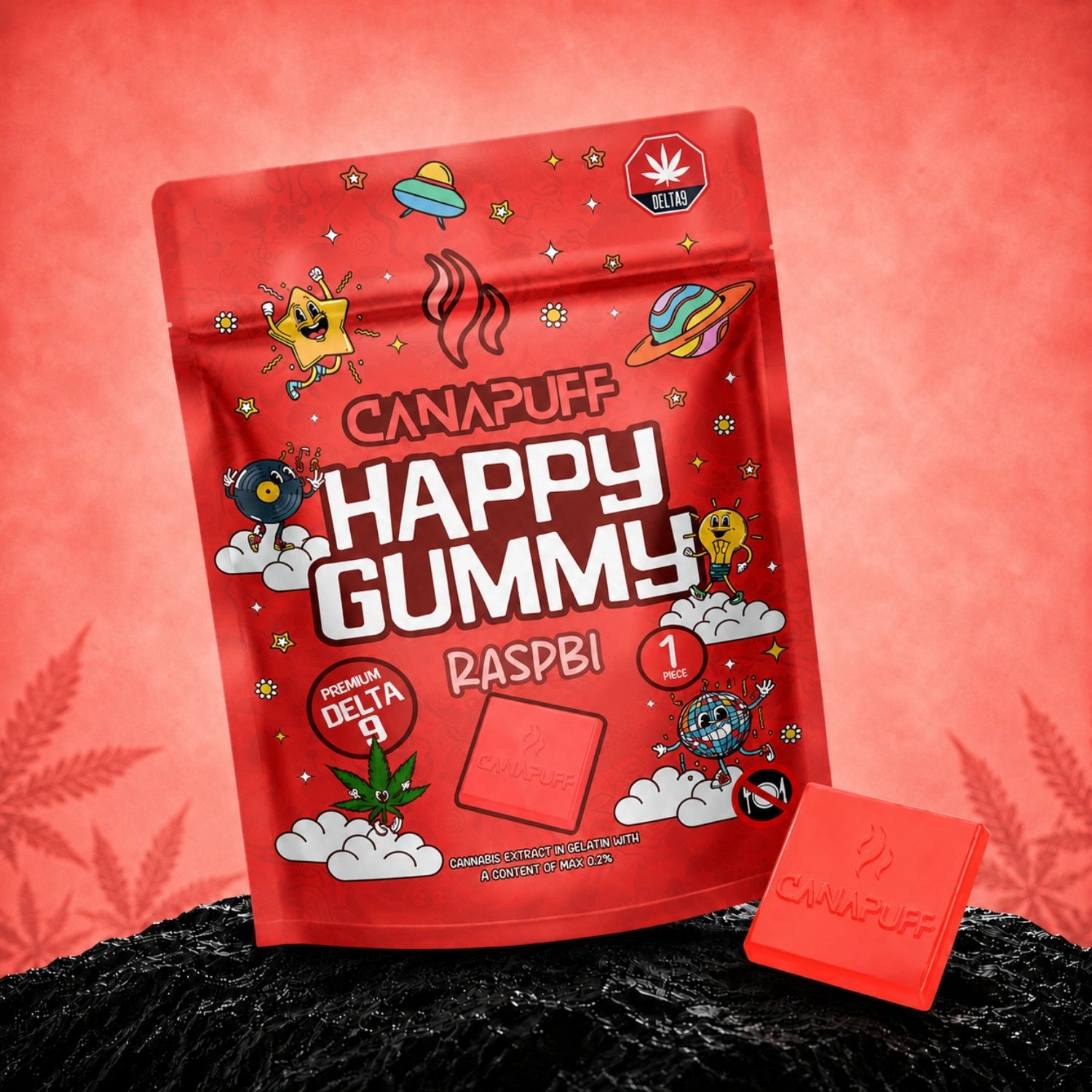
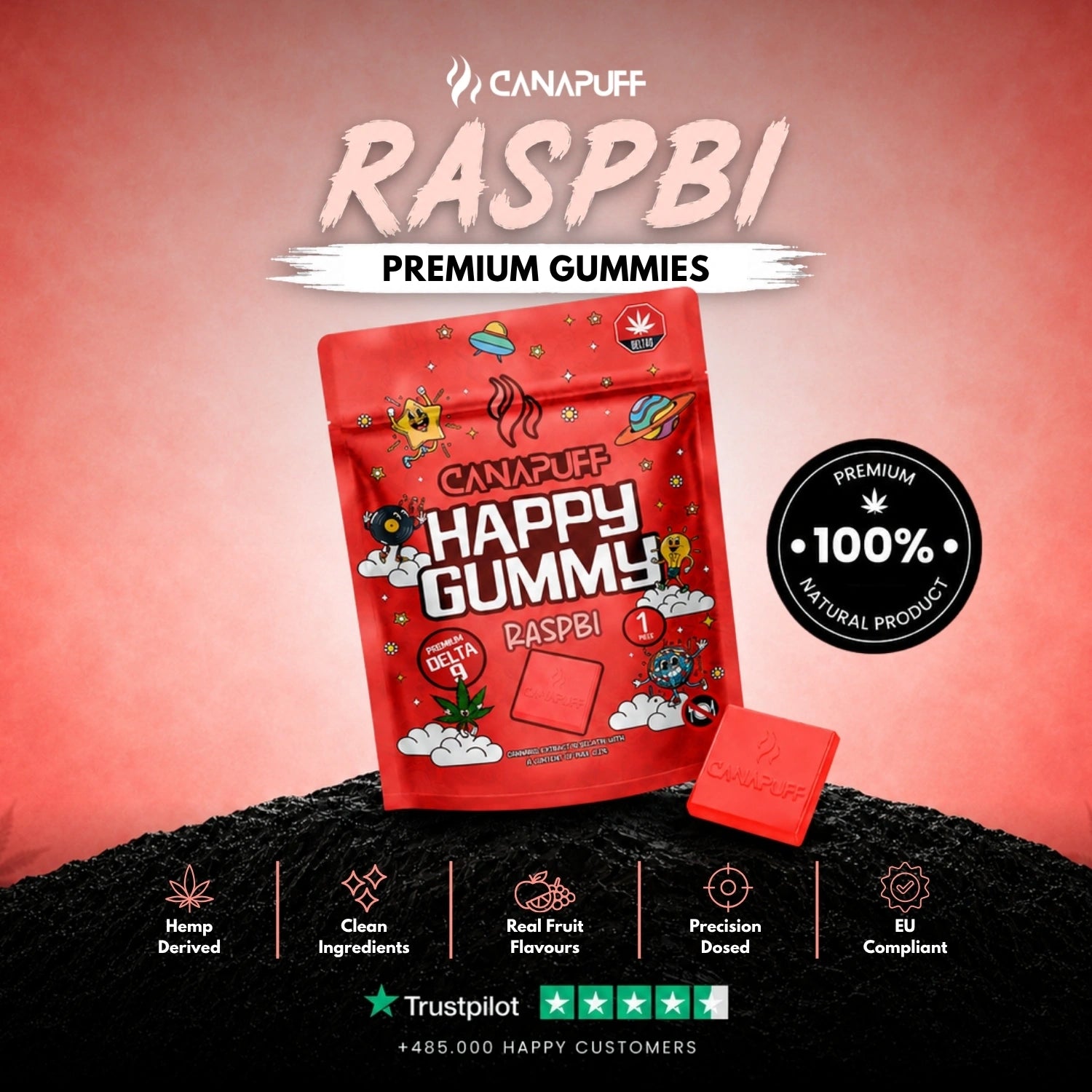
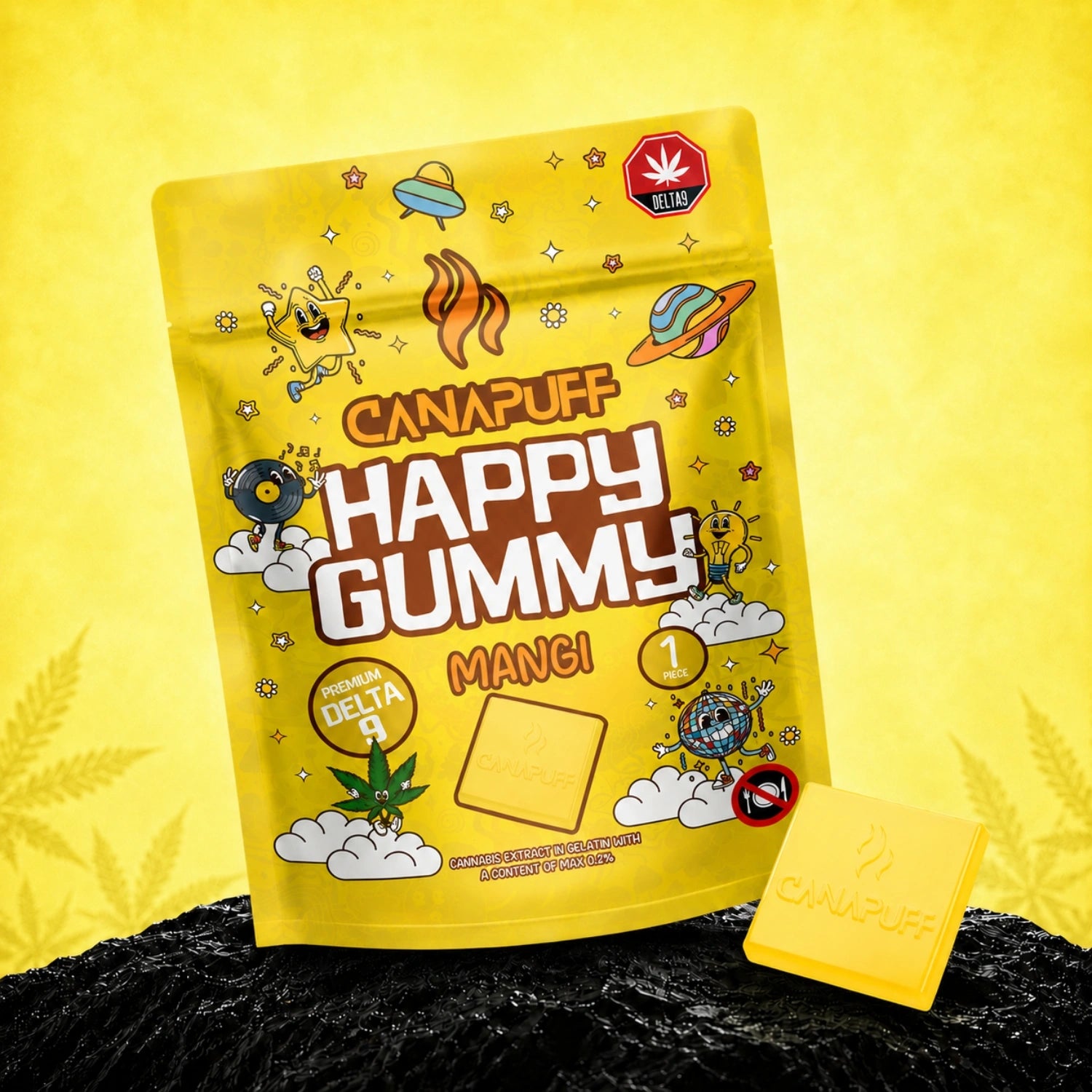
Canapuff's THC gummies collection shows products with different cannabinoid contents. THC products are only permitted in some countries, so check the local rules first.
Duration of THC Edibles
When THC is eaten, it acts longer than when it is smoked. Impairment can last for many hours, so never drive or operate machinery on the same day without being sure that you are no longer impaired.

The Entourage Theory in CBG-THC Combinations
The "entourage effect" is the theory that cannabinoids and terpenes interact with each other. For CBG and THC combinations, this theory raises several questions:
What the Entourage Theory Suggests
Researchers discuss these ideas:
- Combinations of cannabinoids may behave differently from single compounds
- The interactions are complex and not well understood
- Most of the evidence comes from laboratory studies
- Different receptor interactions may play a role
Terpene Enhancement
Full-spectrum products contain CBG and THC together with terpenes (aromatic compounds in cannabis), such as myrcene (earthy), limonene (citrus) and pinene (pine). Terpenes give a product its smell and flavour. Research on their role in combination with cannabinoids is at an early stage.
Individual Variation
People react differently to cannabinoids, for example because of differences in metabolism and tolerance. This explains why user reports about CBG and THC vary so much.
For scientific context on cannabinoid interactions, see Wikipedia's cannabinoid overview.
CBG and THC Together: Practical Information
Before Buying CBG and THC Products
If you are interested in CBG and THC combinations, check these points first:
- Check whether THC products are permitted in your country
- Read the label for the amount of THC and CBG per piece or per gram
- Check the lab report (certificate of analysis)
- Remember that THC is psychoactive in any combination
- If you take medication, consult a doctor first
Understanding CBG:THC Ratios on Labels
The ratio on the label tells you how the cannabinoid content is divided:
- 2:1 or 3:1 CBG:THC: More CBG than THC
- 1:1: Equal amounts of CBG and THC
- 1:2 or 1:3 CBG:THC: More THC than CBG
- Any ratio: The product contains THC and is psychoactive
Safety Rules for THC Products
- Driving: Never drive or operate machinery after using THC
- Age: THC products are only for adults
- Pregnancy: Do not use THC products during pregnancy or breastfeeding
Keep all THC products in their original packaging and out of the reach of children and pets.
Frequently Asked Questions
Does CBG reduce THC's psychoactivity for everyone?
No. There is no reliable evidence that CBG reduces the psychoactivity of THC. User reports vary a lot: some report a weaker experience, others a stronger one, and others no difference.
Can I mix separate CBG and THC products to create a combination?
Combining separate products makes it difficult to know the exact amounts of each cannabinoid. Products with a fixed ratio show the content per piece on the label. In any case, THC remains psychoactive.
Does CBG have THC in it naturally?
Pure CBG isolate contains no THC. However, full-spectrum cannabis extracts naturally contain small amounts of several cannabinoids, including CBG and THC. In the United States, the 2018 Farm Bill defines hemp as cannabis with less than 0.3% THC by dry weight. Other countries have other limits.
How is CBG from hemp regulated?
The rules differ by country. In the United States, hemp-derived CBG falls under the 2018 Farm Bill, while THC remains a controlled substance under federal law. Some states have additional restrictions. In Europe, the rules depend on each country. Check the local rules before buying, because they can change.
How long does cbg and thc together last compared to THC alone?
The duration depends mainly on the product format: smoked or vaped THC acts for a shorter time than eaten THC. There is no reliable evidence that CBG changes the duration.
Can I use CBG to counteract a THC overdose?
No. CBG cannot reverse THC intoxication, and it does not remove THC from the body. If someone has taken too much THC, they need a quiet environment, water and time. If the person feels very unwell, call emergency services.
What's the difference between full-spectrum and CBG+THC isolated combinations?
Full-spectrum products contain many naturally occurring cannabinoids and terpenes. CBG+THC combinations made from isolates contain only the selected compounds in a defined ratio. The label and the lab report show what a product contains.
Is CBG THC going to show up on drug tests?
Yes. Both THC and its metabolites trigger positive results on standard drug tests. CBG alone does not trigger positive tests. If using combination products, assume they'll register as positive for cannabis regardless of CBG content.
Is CBG psychoactive?
CBG is not considered intoxicating and does not change perception like THC. Research is limited; no health claims can be made about CBG.
Can I use CBG and THC together if I take pharmaceuticals?
Consult a doctor first. Both cannabinoids can interact with liver enzymes, such as CYP3A4 or CYP2C9, which break down many pharmaceuticals.